

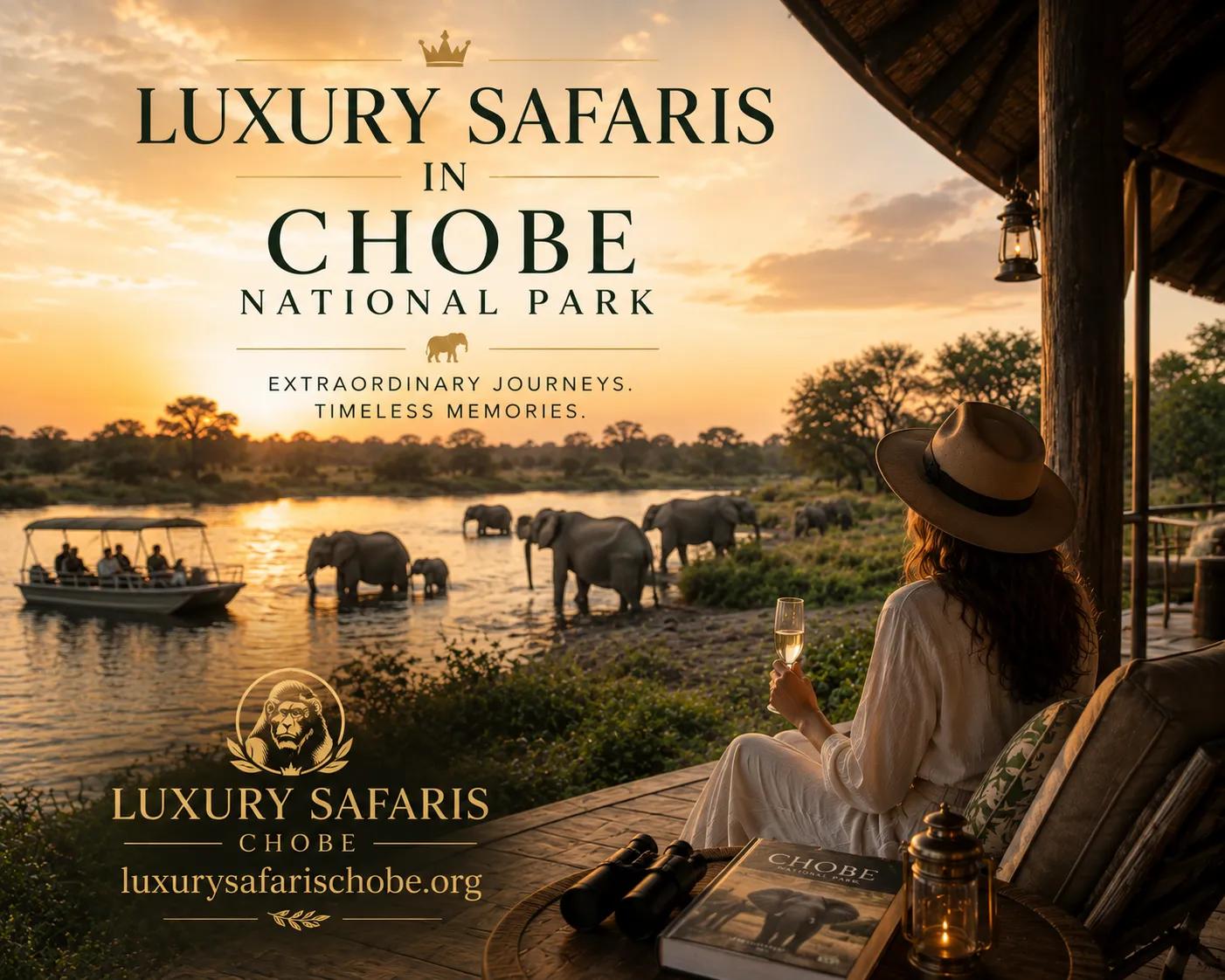
Securing the ultimate wilderness experience in Botswana requires looking beyond superficial amenities to understand how a property interfaces with Chobe’s unique riverfront and interior ecosystems. Because Botswana actively champions a high-value, low-volume conservation strategy, lodging options are deliberately limited, highly exclusive, and meticulously integrated into the surrounding landscape. For the affluent traveler, selecting the correct lodge is the single most critical decision in the itinerary design process, directly dictating your daily schedule, wildlife access, and overall privacy.
Section 1: The Essential Geography of Chobe Accommodations
When evaluating premium properties for luxury safaris in Chobe National Park, the primary logistical filter is geography. The park’s diverse ecosystems mean that your choice of location will fundamentally alter your daily wildlife encounters. Lodges positioned along the northern Chobe Riverfront provide direct access to the iconic floodplains where massive elephant herds gather to drink and swim during the heat of the afternoon. This region is ideal for travelers who want to balance traditional 4x4 land trackers with tranquil water safaris.
Conversely, choosing a property tucked deep inside the remote Savuti Channel or the western Linyanti Swamps offers a completely different aesthetic. Savuti is an arid, hauntingly beautiful landscape famous for its intense predator dynamics and dramatic lion prides. The Linyanti region consists of pristine private concessions that mirror the intimate channel networks of the neighboring Okavango Delta, as thoroughly documented by geographic researchers on Wikipedia. Understanding these distinct micro-regions ensures that your accommodation directly matches your specific wildlife viewing goals.
Section 2: Concession vs. National Park Boundaries
A subtle but vital distinction that separates elite accommodations is whether a property sits inside the public national park boundaries or within an adjacent private concession. Properties situated inside the park, such as the historic Chobe Game Lodge, offer the immense privilege of immediate proximity to the river networks. Guests can be on the water or exploring the tracks at the first hint of dawn light, well before external travelers can navigate the main public entry gates.
On the other side of the spectrum, ultra-luxury lodges located within private concessions offer a level of flexibility and exclusivity that public park regulations simply do not permit. In these private reserves, professional guides are legally allowed to drive off-road to follow rare predator sightings, guide intimate walking safaris with armed trackers, and conduct thrilling night drives using specialized red-light spotlights to view nocturnal species. Corporate travel analyses featured on Google emphasize that high-net-worth travelers increasingly favor these private concessions due to the strict limits on vehicle numbers, ensuring you never have to share a pristine wildlife sighting with a crowd of commercial tour buses.
Section 3: Sustainable Elegance and Premium Amenities
The architectural philosophy of Chobe’s upper-tier properties focuses heavily on low-impact, sustainable luxury. Elite properties are designed to leave no permanent footprint on the earth, utilizing canvas, locally sourced timber, and thatched roofs to blend seamlessly into the riverine forests. However, this environmental mindfulness does not mean sacrificing sophisticated comfort. Modern safari oases feature private rim-flow plunge pools overlooking active elephant pathways, open-air sala lounges, and lavish en-suite bathrooms equipped with indoor and outdoor copper showers.
Furthermore, top-tier operators have completely revolutionized safari logistics through green technology. Progressive properties now operate entire fleets of custom-engineered, solar-powered safari boats and silent electric 4x4 vehicles. This innovative approach allows travelers to glide within mere feet of nesting birds and drinking buffalo without the intrusive noise or fumes of a combustion engine, a major shift in experiential travel highlighted by luxury hospitality reports on Forbes.

Conclusion and Next Steps
Selecting the right base for your Chobe expedition is an art that requires balancing seasonal animal movements with your personal desires for privacy, activity style, and environmental ethos. Whether you choose the bustling, elephant-rich riverfront or the intense, isolated predator plains of the interior, aligning your lodging choices with Botswana's unique geography guarantees an uncompromised safari experience.
To take the next step in crafting your journey, contact a specialized safari consultant to discuss current availability at Chobe's top-tier properties. Because these boutique lodges preserve exclusivity by hosting fewer than twenty guests at a time, securing your preferred dates requires planning at least nine to twelve months in advance, especially if you intend to travel during the highly coveted dry winter months.